
Does Insurance Cover Water Damage in California? What Homeowners Should Know
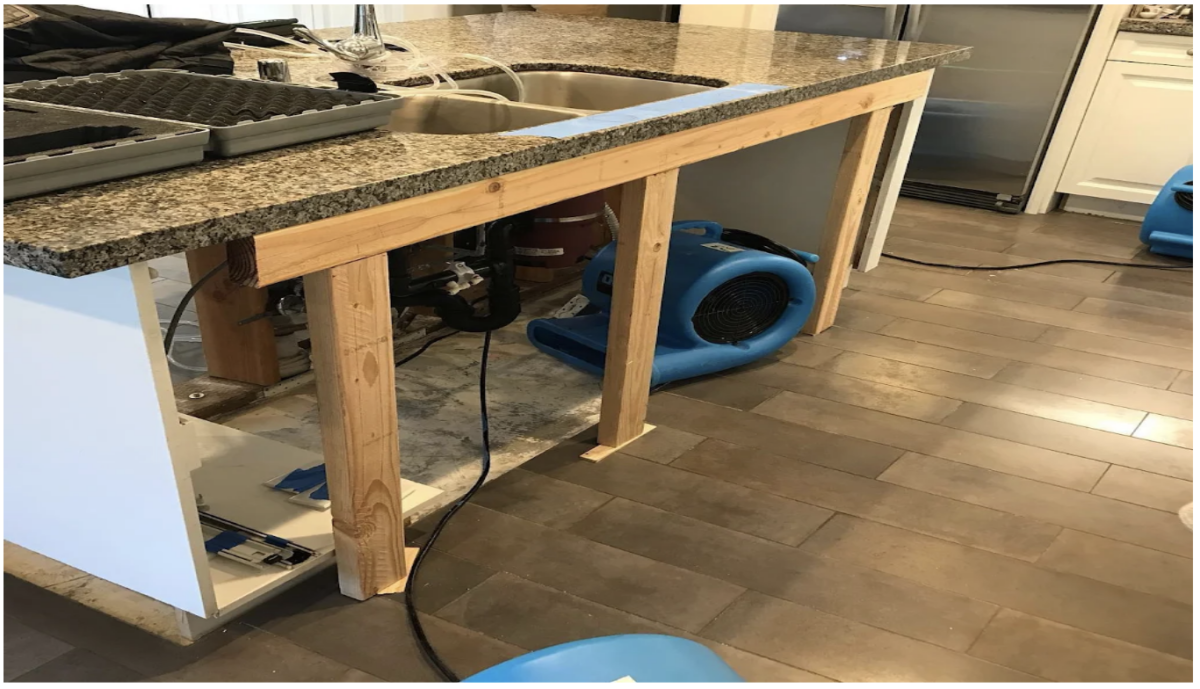
Water damage is one of the most common and costly issues homeowners face in California, accounting for nearly a quarter of all home insurance claims. In Southern California, especially across Orange County, Blue Dolphin Restoration regularly responds to emergencies caused by burst pipes, slab leaks, appliance failures, and hidden moisture behind walls. In most cases, insurance in California does cover water damage, but only when it is sudden and accidental, not gradual or preventable. In California, most homeowners insurance policies cover sudden and accidental water damage, such as a pipe bursting unexpectedly or a water heater failing without warning. However, damage caused by long-term leaks, poor maintenance, or gradual wear and tear is typically excluded. Flooding caused by heavy rain, rising groundwater, or coastal storm surge is also not covered under standard California policies and requires separate flood insurance. Water damage can impact more than just your property—it can lead to structural issues, mold growth, and even health concerns if not handled quickly. That’s why our team responds fast across Southern California, contains the damage, and works directly with your insurance provider to simplify the claims process from start to finish.Key Takeaways
- Water damage is one of the leading causes of insurance claims in California
- Coverage depends on whether the damage is sudden and accidental vs gradual
- Flood damage is not covered under standard California homeowners policies
- Mold can begin forming within 24–48 hours if moisture is not removed
- Proper documentation and fast action are critical for claim approval in California
Frequently Asked Questions
Q: Will my policy cover mold from a hidden leak? A: Many insurers cover mold if it comes from a sudden leak. But, they often don’t cover mold from ongoing humidity or slow drips. Q: Do I need a separate flood policy in coastal areas? A: Standard homeowners insurance usually doesn’t cover flood damage. You’ll need a separate flood policy if you live near the coast or in flood zones. Q: Can our team assist with insurance paperwork? A: Yes. At Blue Dolphin Restoration, we guide you through every step of the paperwork and claims process so you stay informed. You can also complete your insurance forms to speed things up and keep your claim moving without delays. Q: What if my claim is denied? A: Insurers might deny claims for maintenance issues. It’s good to have proof of sudden damage and to call us for expert advice. Q: How do I prevent future water damage? A: Regularly check your pipes, roofs, and appliances. Fix small leaks quickly to avoid bigger problems.Understanding Water Damage Coverage in California
Water damage coverage in California can vary depending on your policy, but the key factor insurers look at is how the damage occurred.Common Causes of Water Damage in California Homes
In Southern California homes, we frequently see water damage caused by:- Burst or frozen pipes inside walls
- Slab leaks beneath concrete foundations (very common in Orange County)
- Roof leaks during storms or after aging materials fail
- Appliance failures such as washing machines, dishwashers, and water heaters
- Overflowing sinks, tubs, or toilets
Immediate Steps to Take After Water Damage
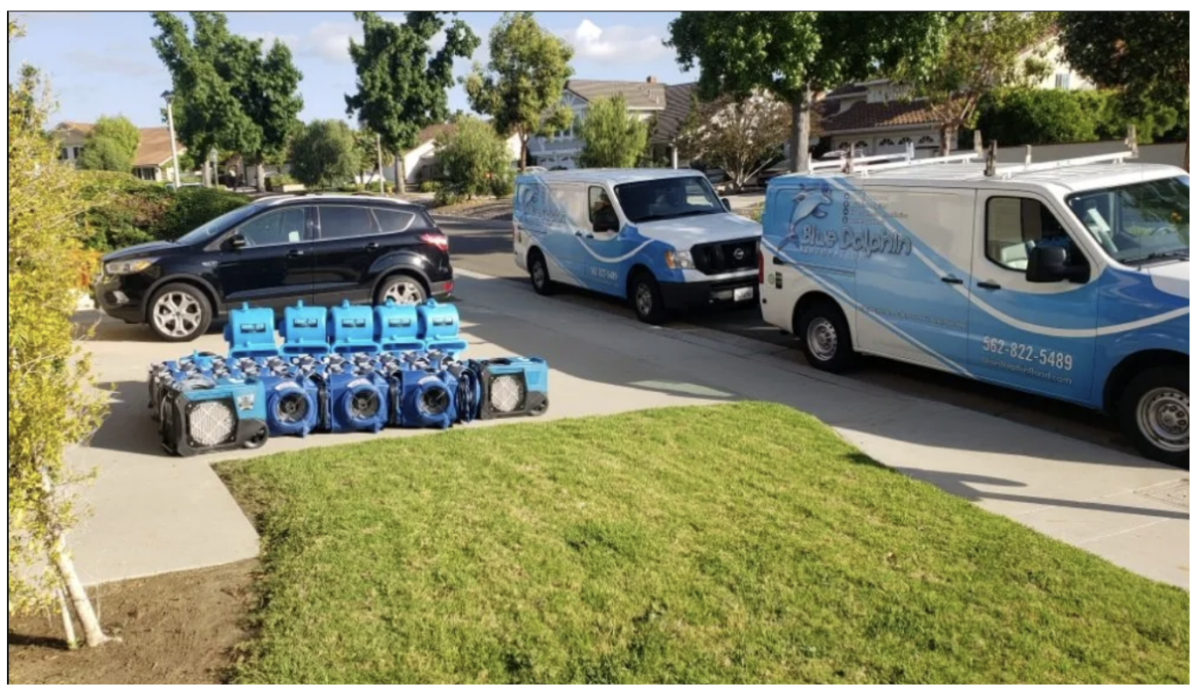
When floors get wet or ceilings leak, it’s scary. At Blue Dolphin Restoration, our team acts fast to reduce damage and keep you safe. We know that hidden water in Southern Orange County can lead to mold if not fixed.Safety Precautions for Homeowners
Turn off the main water valve as soon as you find the leak. If water is near outlets or wiring, turn off the electricity. Wear sturdy boots and gloves to protect yourself from debris or harmful substances. We always put your health first.Assessing the Situation
We check every area of your home for leaks or water damage. Broken appliances and burst pipes are big problems. Our local knowledge helps us find hidden water spots that could cause more damage. Spotting these early helps avoid bigger problems and keeps your insurance options open.Documenting the Damage
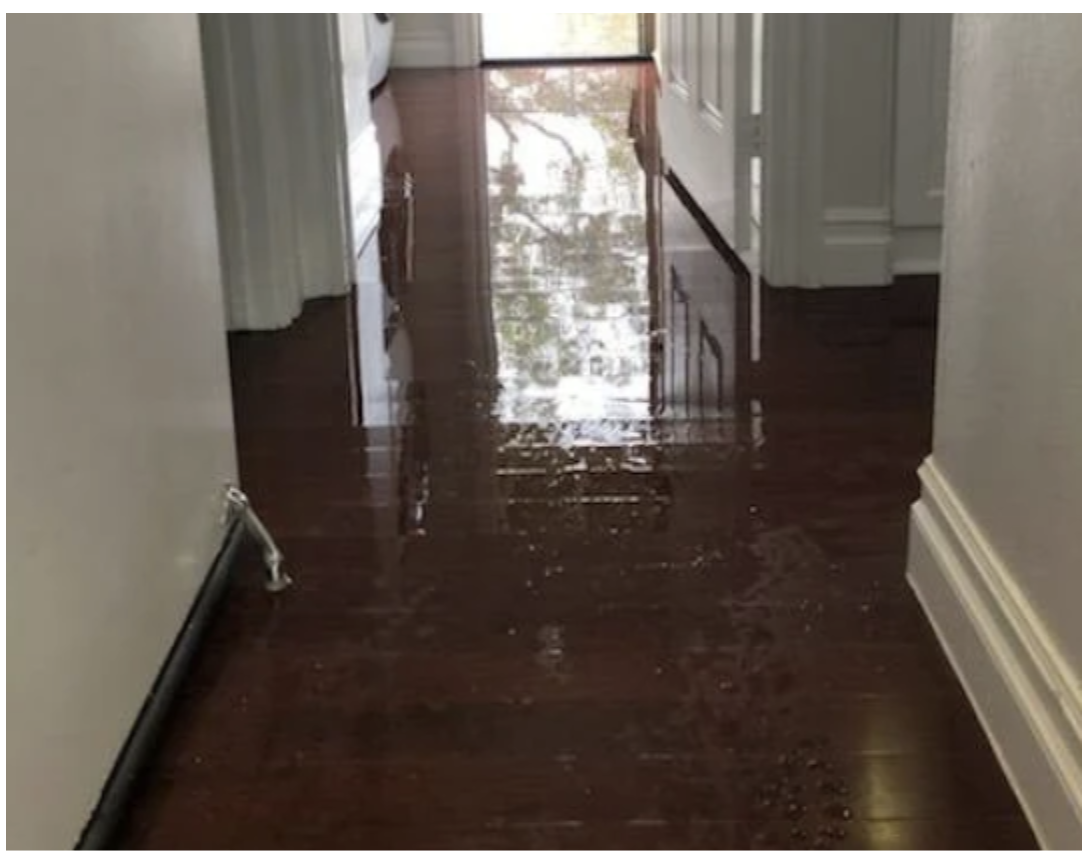
Take photos and videos of wet floors, damaged walls, and any furniture that got wet. These pictures and videos help adjusters understand the extent of the damage. Having solid evidence supports your water damage claim and shows the need for quick repairs.| Action | Reason |
| Shut Off Water | Stops further flooding |
| Kill Electricity | Prevents electric shock |
| Take Photos | Documents proof for claims |
Our Water Damage Restoration Process
Step 1: Inspection and Moisture Detection
We identify hidden moisture using professional tools.Step 2: Water Extraction
We remove standing water quickly to prevent further damage.Step 3: Drying and Dehumidification
We fully dry all affected materials and spaces.Step 4: Cleaning and Sanitization
We eliminate bacteria, contaminants, and odors.Step 5: Repairs and Restoration
Blue Dolphin Restoration restores your home to a safe, livable condition.| Task | Purpose |
| Extraction | Remove standing water swiftly |
| Drying & Dehumidifying | Reduce moisture and prevent mold |
| Repairs & Restoration | Return home to safe, livable condition |
Types of Water Damage (Important for Insurance & Health)
Water damage is categorized into three types, which directly affect both cleanup requirements and insurance considerations:- Clean Water (Category 1)
- Gray Water (Category 2)
- Black Water (Category 3)
What Insurance Typically Covers in California
Most California homeowners insurance policies will cover:- Sudden pipe bursts inside walls
- Water heater or appliance failure
- Accidental overflow (e.g., bathtub left running)
- Roof leaks caused by storms (if roof was properly maintained)
What Insurance Does NOT Cover
California insurance providers commonly deny claims when they find:- Slow leaks that developed over time
- Unrepaired maintenance issues (aging roof, corroded pipes)
- Mold caused by long-term moisture
- Flooding from outside water sources (rain, rivers, ocean)
What to Do Immediately After Water Damage in California
Taking the correct steps immediately after water damage can significantly reduce repair costs and improve your chances of claim approval.Step-by-Step Checklist
- Shut off the main water supply
- Turn off electricity in affected areas
- Stop the source of the leak if possible
- Take clear photos and videos of all damage
- Remove valuables from affected areas
- Call a professional restoration company
- Contact your insurance provider.
Safety First
Shut off your main water supply immediately and turn off electricity if needed. Always prioritize safety before entering affected areas.Assess the Damage
Check for visible and hidden moisture behind walls, under flooring, and around appliances.Document Everything
Take photos and videos of all affected areas. This is essential for insurance claims in California.
When to Call a Professional in California
Water damage often goes deeper than what you can see. Acting quickly can prevent serious long-term issues.Signs You Need Professional Help
- Warped flooring or soft spots
- Musty odors or visible mold
- Damp carpets or walls
- Discoloration on ceilings or surfaces
Why Acting Fast Matters
Mold can begin forming within 24–48 hours, and delays can lead to structural damage and insurance complications.Professional vs DIY Cleanup
DIY methods don’t remove hidden moisture. Professional equipment ensures complete drying and prevents recurring issues.Local Considerations for Southern Orange County Residents
The unique climate in this area can lead to serious water damage concerns. Our team monitors humidity levels that encourage mold growth. We also watch for common slab leaks in certain neighborhoods. We have the tools and local knowledge to tackle these issues quickly.Humidity and Its Effects on Water Damage
Damp air makes mold grow faster, which is a big problem for homes near the ocean. We focus on good ventilation and quick moisture removal. This keeps floors, walls, and personal items safe. We also check hidden spots where dampness can hide.Specific Risks in Coastal Areas
Ocean air can cause pipe corrosion, leading to cracks or leaks. Homeowners in coastal areas might need more repairs. We look for early signs of trouble to protect plumbing systems and prevent flooding.Neighborhood Insights: Laguna Niguel, Mission Viejo, Irvine
Each city has its own water damage challenges. We adjust our methods to fit local conditions for quick results. Here are some highlights:| Neighborhood | Common Water Damage Factor | Our Approach |
| Laguna Niguel | Occasional slab leaks | Early detection and targeted repairs |
| Mission Viejo | High groundwater levels | Proactive monitoring and drying |
| Irvine | Increasing humidity from new developments | Quick response with dehumidifiers |
What Happens If You Ignore Water Damage
Ignoring water damage in California homes can lead to:- Mold growth within days, affecting indoor air quality
- Structural damage to drywall, wood framing, and flooring
- Electrical hazards if water reaches wiring
- Insurance claim denial due to delayed response
- Higher repair costs, often 2–3x more expensive
Water Damage Decision Guide (California Homeowners)
| Situation | Best Action | Cost Range | Time | DIY or Pro |
| Small clean water leak | Dry + monitor | Low | 1–2 days | DIY possible |
| Burst pipe flooding | Extraction + drying | Medium–High | 3–5 days | Professional |
| Slab leak | Detection + repair | Medium | 2–4 days | Professional |
| Mold present | Remediation required | High | عدة days | Professional |
| Flooding (external water) | Full restoration | High | 5+ days | Professional |
How to Work with Your Insurance Company
Dealing with property damage can be overwhelming. Our team works hard to keep you updated and organized. We believe that clear steps and timely action can help reduce stress.Gathering Necessary Documentation
Start by taking photos of the damaged areas. Save receipts for emergency services and supplies. Note down important dates and repair estimates. These steps help prove your losses. They’re essential when talking to your insurance company, like State Farm or Allstate.Filing Water Damage Claims
Quickly contact your insurer after damage. Share policy numbers and photos of the damage. If you’re unsure about coverage, ask questions. Some water damage might need special coverage. It’s good to ask about these options.Navigating the Claims Process
We keep in touch with your adjuster and help with claim forms. Clear updates build trust and move the claim along. Our team supports you from the first call to the end. Having your records and photos ready can speed up the process.| Step | Action | Benefit |
| 1 | Take Photos | Visual proof for claim |
| 2 | Contact Insurer | Start official process |
| 3 | File Documentation | Accurate claim evaluation |