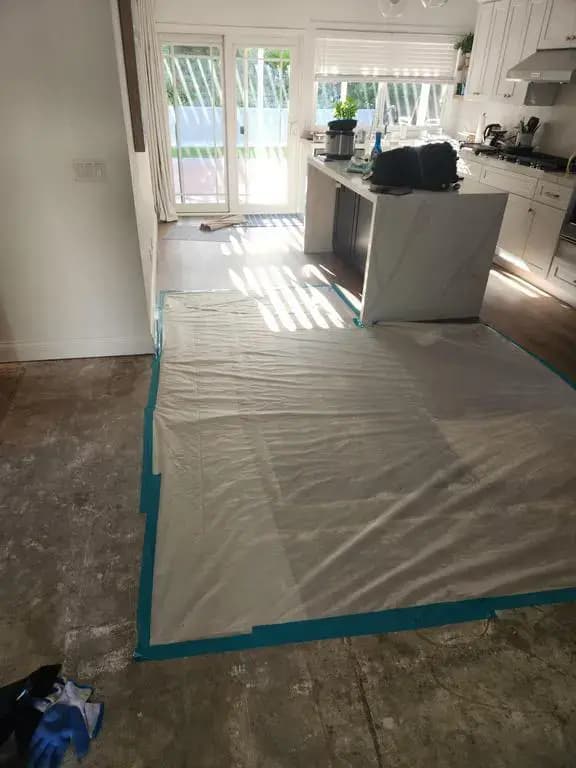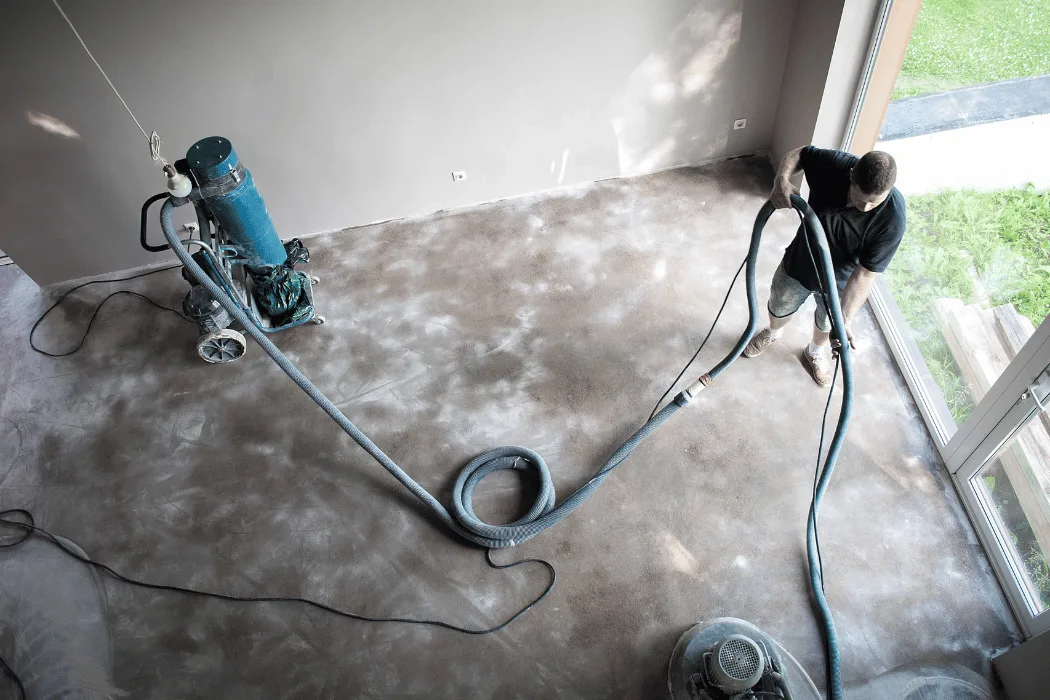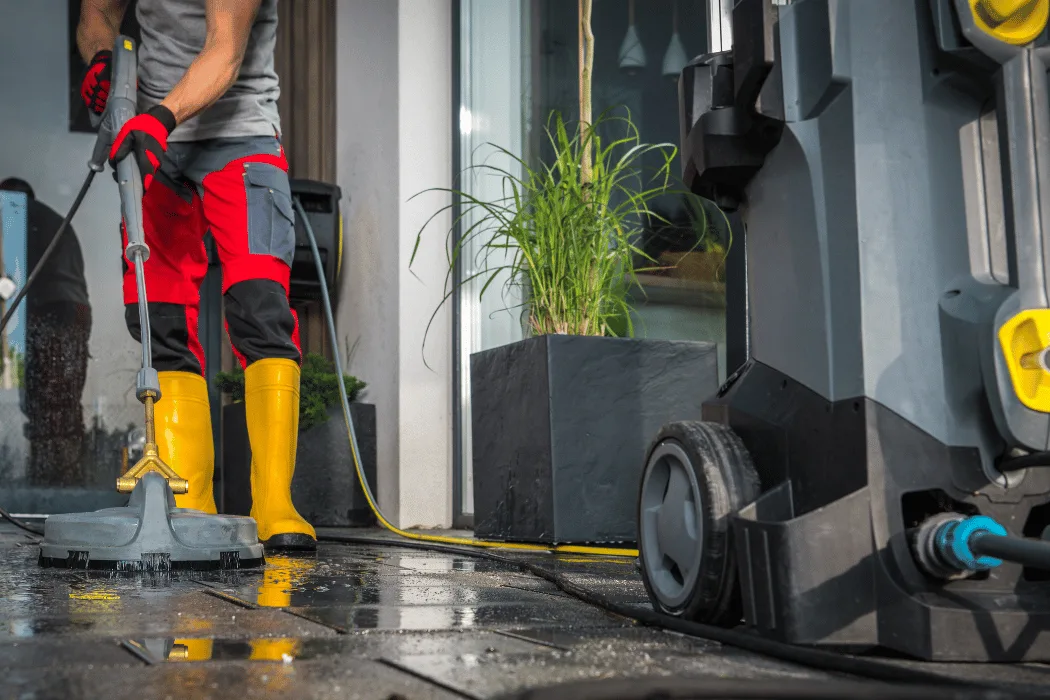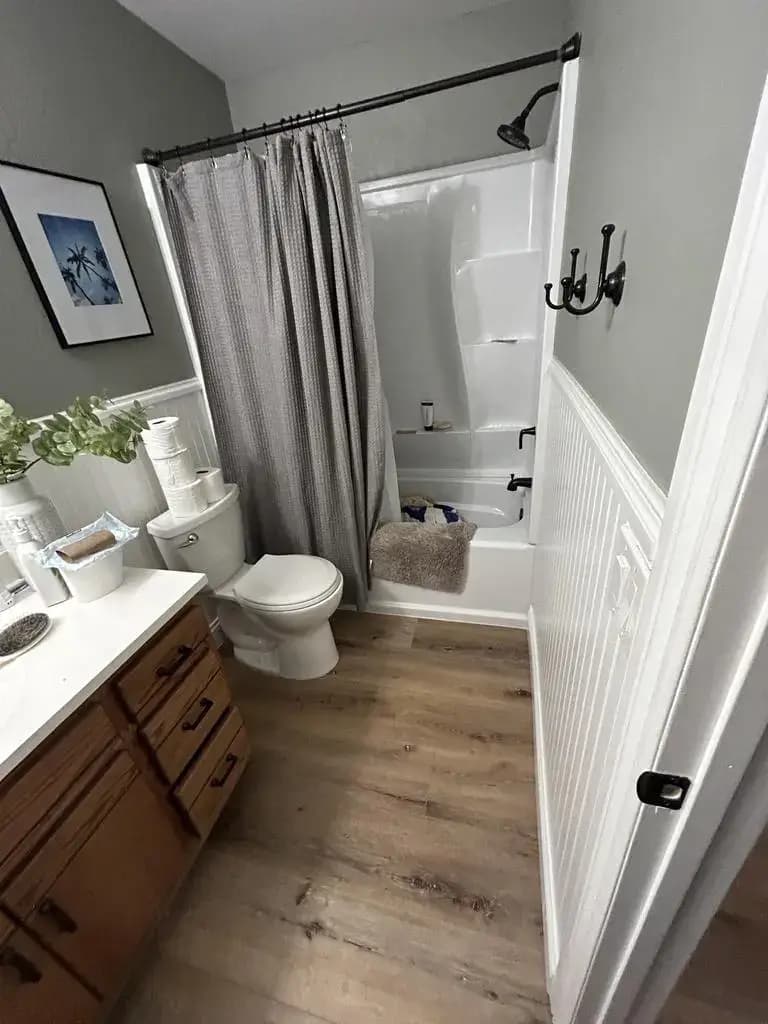
Removing visible water is only the first part of recovering from a leak, overflow, or plumbing failure. Water can move beneath flooring, into wall cavities, around baseboards, behind cabinets, and into insulation long before those materials look damaged from the outside. For San Juan Capistrano property owners, a more complete restoration plan should answer two questions: where did the moisture travel, and which materials can be dried safely in place?
Blue Dolphin Restoration is a trusted restoration company serving San Juan Capistrano and surrounding areas across California. The company focuses on helping property owners recover from water damage, fire damage, mold problems, and structural issues caused by sudden incidents. Their trained technicians understand the urgency that comes in imitation of property broken and perform with a positive plan to restore homes and businesses safely.With protester drying equipment, inspection tools, and restoration methods, the team addresses both visible broken and hidden moisture that could cause long term problems. Blue Dolphin Restoration along with works next door to with property owners to guide them through the restoration process from inspection to unmodified repairs. By combining highbrow expertise with honorable customer service, the company has become a dependable substitute for restoration facilities in Irvine. Their adherence to quality produce a result helps property owners protect their investments and recompense their spaces to pleasing living or operational conditions.
Water damage restoration is not a single step. Done right, it is a documented process that protects your home and backs up your insurance claim.
Emergency call and rapid dispatch. Call (949) 480-7551 and we get a crew moving to your address.
Inspection and moisture mapping. We identify the water source, classify the water (clean, gray, or black), and map hidden moisture with thermal imaging and moisture meters.
Water extraction. Truck-mounted and portable extractors remove standing water fast.
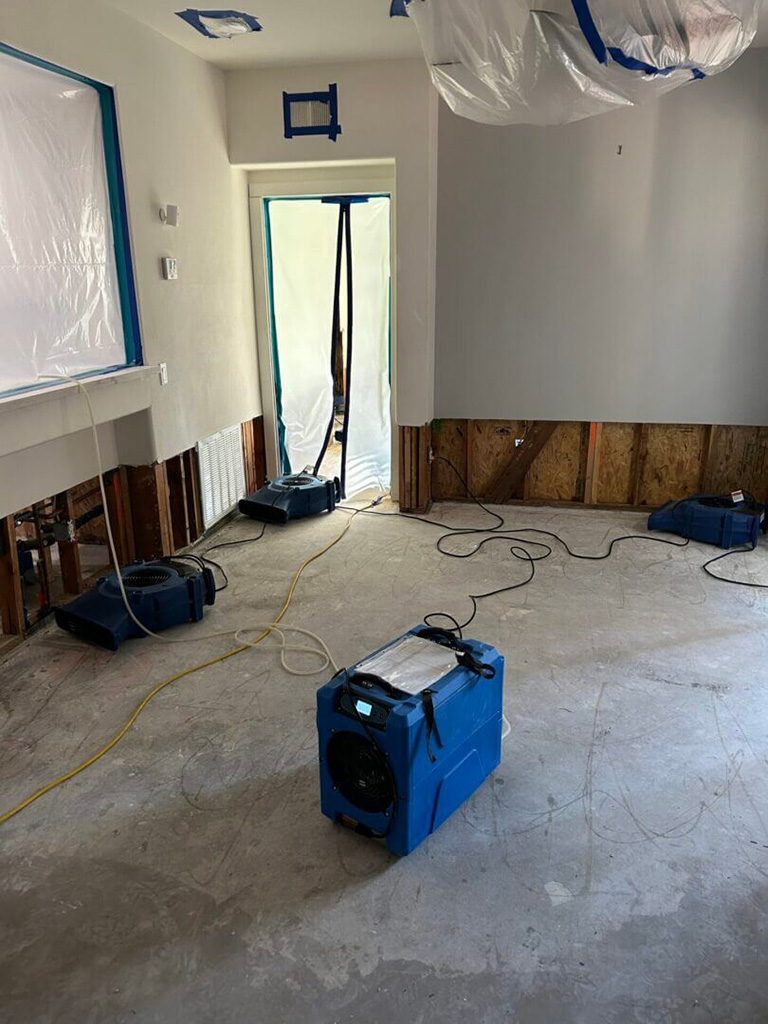
Structural drying. Commercial air movers and dehumidifiers dry walls, floors, and ceilings. We monitor moisture readings daily until materials hit dry standard.
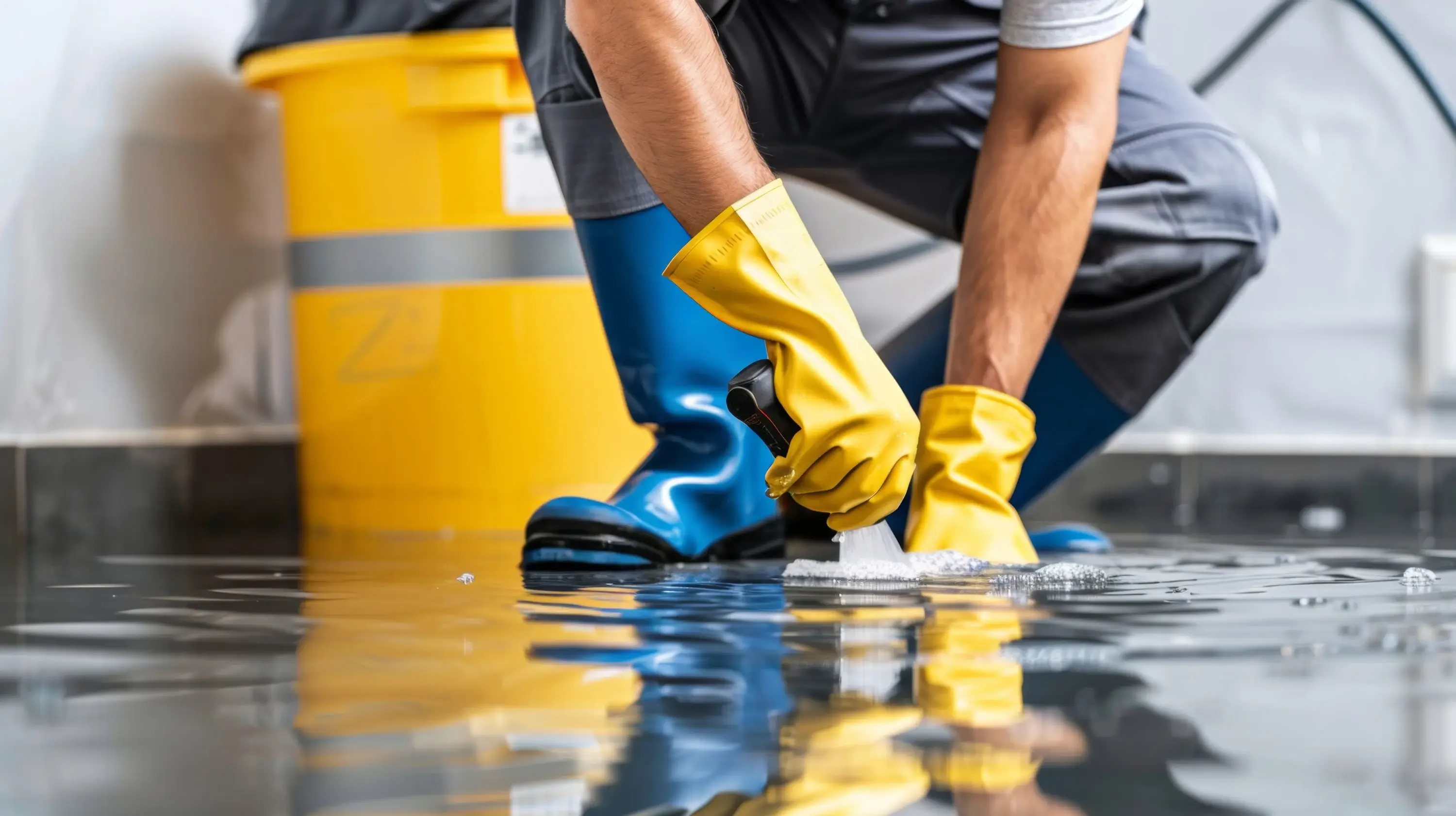
Cleaning and sanitizing. Affected areas are cleaned and treated to prevent mold and bacteria.
Repairs and reconstruction. From drywall and paint to flooring, we restore the structure to pre-loss condition.
We document each stage with photos and moisture readings, which is exactly the evidence your insurance adjuster needs to approve the claim.
Mold growth can begin within 24 to 48 hours. San Juan Capistrano’s inland-coastal climate keeps indoor humidity elevated, so prompt drying matters.
If water sat for more than a day or you smell a musty odor, you likely need mold remediation in addition to drying. Learn more about our mold removal and inspection process. We handle both, so you are not waiting on a second company. Signs you may have hidden mold:
Musty or earthy smell
Dark spots on walls, ceilings, or baseboards
Peeling paint or bubbling drywall
Allergy symptoms that worsen at home
Most water damage claims in San Juan Capistrano are covered under standard homeowners policies, but the details matter. We work directly with your adjuster and provide detailed moisture documentation and photos, a clear scope of work and itemized estimates, and water classification and cause-of-loss notes. That documentation is why claims move faster. You focus on your family; we handle the paperwork side with your carrier.
Request a quote
Client review pending verification.
Client review pending verification.
Client review pending verification.
Excellent service in San Juan Capistrano! They arrived on time, explained everything clearly, and worked with care. The entire area was cleaned, dried, and restored better than I expected.
Client review pending verification.
Client review pending verification.
Ready to restore your property in San Juan Capistrano and protect it from further damage? Fill out the form below to schedule a consultation with our water damage restoration experts. Our team will quickly assess your situation and provide the right solution to bring your San Juan Capistrano home or business back to normal.
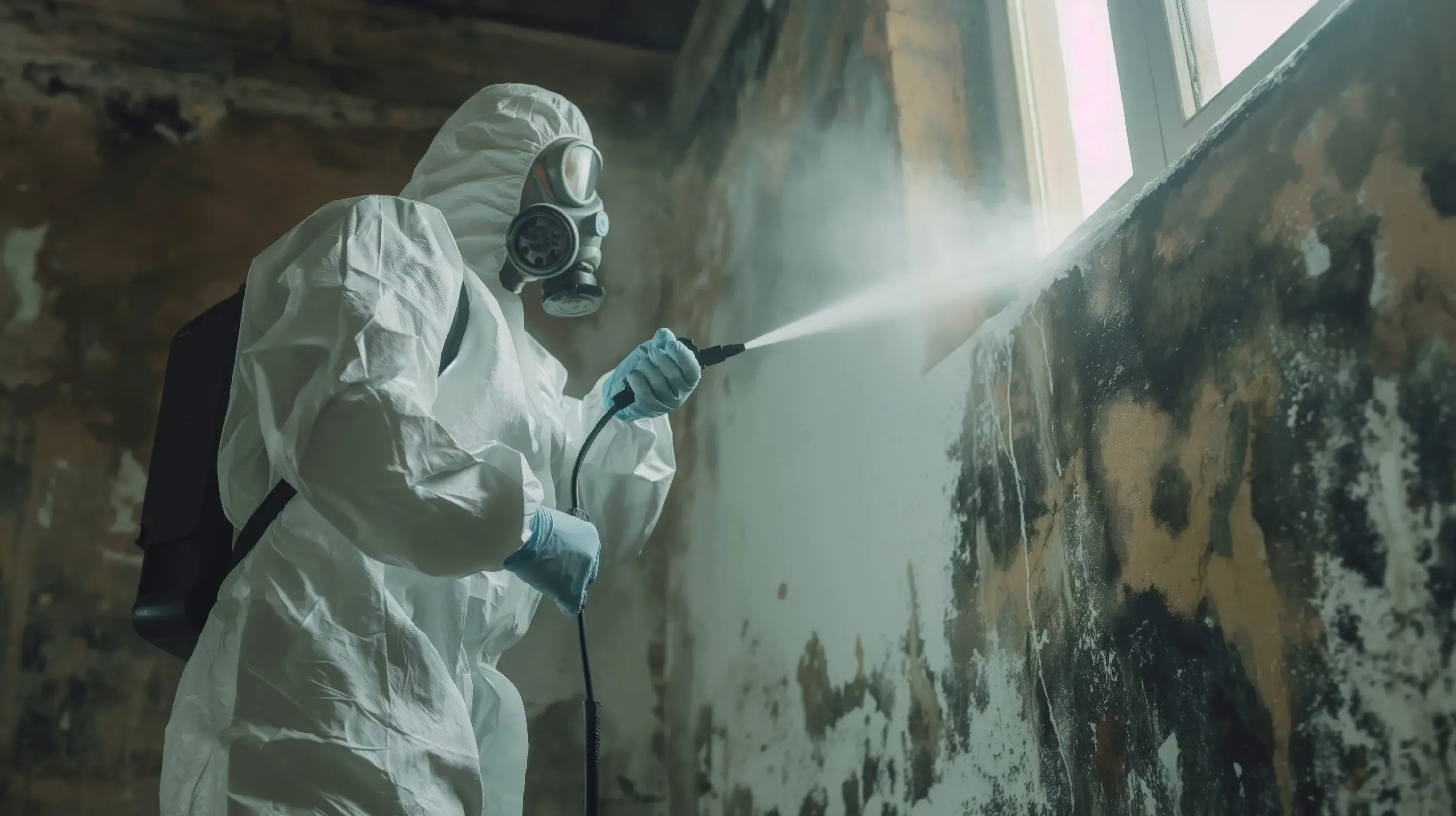
Mold growth in a San Juan Capistrano home is often a sign that moisture has been present longer than expected. Cleaning the visible surface may improve appearance, but it does not correct the moisture condition that allowed the growth to develop. A complete approach starts by identifying the water or humidity source, evaluating the affected materials, and determining whether contamination has spread beyond the area that can be seen.
That is why professional mold remediation focuses on both the mold and the conditions that support it. Depending on the situation, the work may include moisture detection, containment, removal of damaged porous materials, HEPA filtration, detailed cleaning, and drying of the surrounding structure.
Mold is not always located on an exposed wall or ceiling. Moisture can travel through building assemblies and remain trapped in areas that are difficult to inspect without the right tools. Common hidden areas include behind baseboards, under flooring, inside wall cavities, below bathroom vanities, around plumbing penetrations, beneath kitchen cabinets, and near windows or exterior walls where water intrusion has occurred.
After a leak, even materials that look dry at the surface can retain moisture internally. Drywall, insulation, wood framing, subflooring, and carpet padding can all hold water long enough to create favorable conditions for microbial growth if drying is incomplete.
Successful mold removal depends on moisture control. If a plumbing leak, appliance leak, roof intrusion, condensation issue, or previous water-damage event is still contributing moisture, mold can return even after affected surfaces have been cleaned. The priority is to stop the source, dry the structure, and then address materials that have been contaminated.
In many cases, mold remediation and water damage restoration are closely connected. When moisture is discovered inside walls, under flooring, or around cabinets, drying the affected area is just as important as removing visible growth.
A professional remediation project may include several stages depending on the size and location of the affected area:
Not every material is handled the same way. Hard, nonporous surfaces may sometimes be cleaned effectively, while highly porous materials can be much more difficult to restore after significant mold growth. Drywall, insulation, carpet padding, ceiling tiles, and some composite materials may need removal when contamination is extensive. Wood framing and structural components can often be evaluated for cleaning and drying rather than automatically discarded.
If you discover visible mold, staining, or a persistent musty odor, first look for an active moisture source without disturbing a large affected area. Avoid aggressive brushing, sanding, or demolition that can spread settled particles into nearby rooms. If the area appears connected to a recent leak, document the source and visible damage before cleanup begins.
Blue Dolphin Restoration can evaluate water-damaged materials and provide professional mold remediation when the problem is beyond a small, isolated surface condition.
Yes. Materials can remain damp after the visible water is gone. If drywall, wood, insulation, flooring, or other materials retain moisture, mold growth can develop later.
No. The correct approach depends on the location, extent of growth, material type, and moisture conditions. Some materials can be cleaned, while others may need to be removed.
A persistent musty odor can be a reason to investigate hidden moisture or microbial growth, especially after a prior leak or water-damage event.
Mold remediation is a broader process that focuses on correcting moisture, controlling the affected area, removing or cleaning contaminated materials, and reducing conditions that allow mold to continue growing.