wet carpet water removal: How to Dry and Prevent Mold Fast
Wet carpet water damage can quickly lead to mold, structural issues, and costly repairs if not handled immediately. In California, especially in coastal areas, moisture spreads faster and drying takes longer, making fast action critical.
Did you know a single inch of water can cause over $25,000 in damage? This often happens when storms, burst pipes, or slab leaks impact homes across California. Quick action with wet carpet water removal is essential to stop mold growth and protect your flooring.
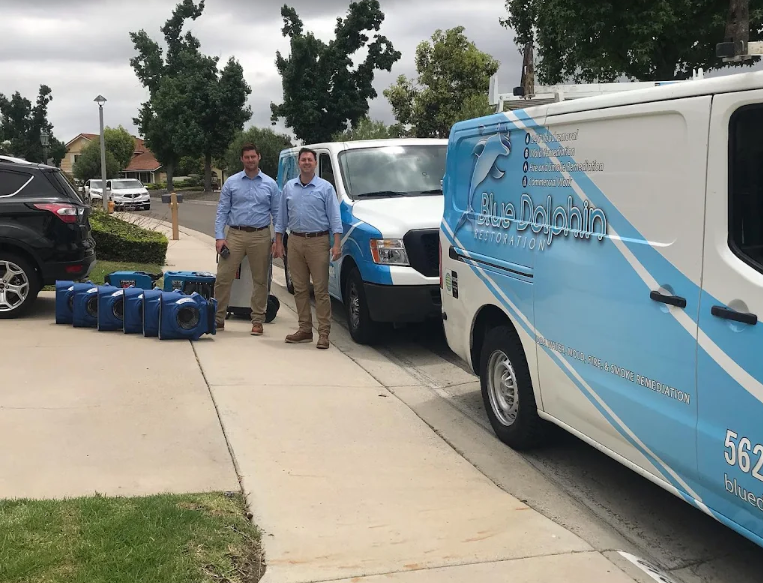
At Blue Dolphin Restoration, we respond quickly to water damage emergencies across California. From small leaks in Aliso Viejo to major flooding in Laguna Beach and Irvine, our team focuses on fast extraction and complete drying to prevent long-term damage.
Key Takeaways
- Stop the water source immediately to limit damage
- Extract standing water as quickly as possible
- Dry carpets and padding completely to prevent mold
- Coastal humidity in California increases drying time
- Document all damage for insurance claims
- Call Blue Dolphin Restoration for serious or hidden issues
Understanding wet carpet water removal Causes
Wet carpets can develop from a variety of sources, and the damage often spreads faster than expected. Water seeps into carpet fibers, padding, and subflooring, creating hidden moisture that can lead to mold and structural damage.
Unique Insight: Carpet padding acts like a sponge, holding moisture underneath even when the surface appears dry. This hidden moisture is one of the main causes of mold growth in California homes.
Common Causes of Water Damage
Burst pipes and slab leaks are among the most common causes of carpet water damage. In areas like Laguna Niguel and Mission Viejo, shifting soil and aging plumbing systems increase the risk.
Appliance overflows, such as washing machines or dishwashers, can quickly flood interior spaces. Heavy coastal storms near Newport Beach and Laguna Beach can also overwhelm drainage systems and lead to sudden indoor flooding.
Deeper Explanation: In California, temperature changes and soil movement create pressure on underground pipes, increasing the likelihood of leaks that go unnoticed until carpets become saturated.
Signs of Water Damage in Your Home
Water damage is not always immediately visible. Many homeowners notice subtle signs before the problem becomes severe.
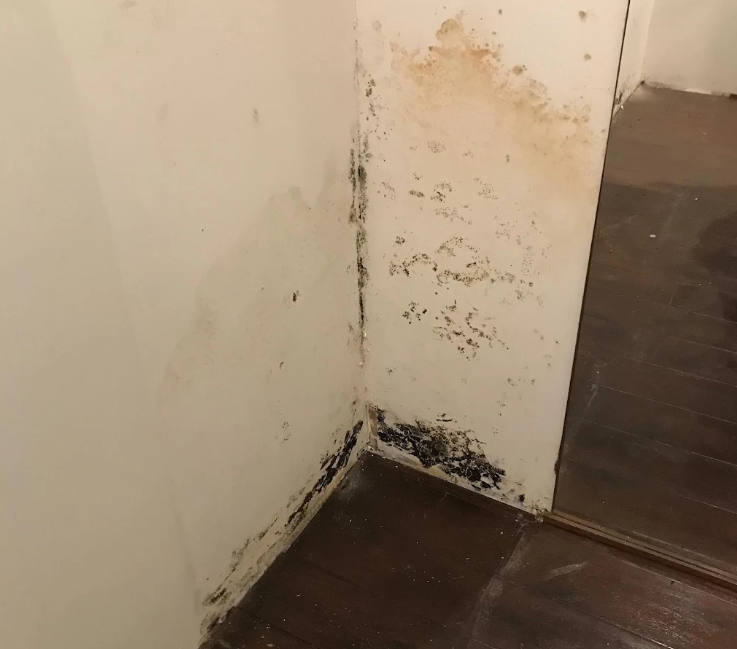
Musty or damp odors in rooms Warped baseboards or bubbling paint Stains on ceilings or walls Wet, soft, or uneven carpet areas Increased indoor humidity levels
These warning signs often indicate hidden moisture beneath flooring or inside walls that requires immediate attention.
One of the most common signs is mold. Read more
Impact of Coastal Humidity in Southern Orange County
Homes located near the coast face unique challenges. Moist ocean air slows down the evaporation process, allowing water to remain trapped under carpets for longer periods.
This creates ideal conditions for mold growth, especially when combined with warm indoor temperatures. Without proper drying techniques, moisture can linger and cause ongoing damage.
At Blue Dolphin Restoration, we adjust our drying process specifically for California’s coastal climate to ensure complete moisture removal.
Step-by-Step Guide for Water Removal
When carpets become wet, fast and organized action is critical. Delays can allow water to spread and increase the risk of mold and structural damage.
Immediate Actions to Take
Shut off the main water source immediately Move furniture and valuables away from wet areas Avoid walking on soaked carpet to prevent spreading damage Open windows to improve ventilation if safe Document all visible damage for insurance purposes.
Tenga cuidado al eliminar el agua estancada de su casa. Read more
Water Extraction Techniques
Removing standing water quickly is one of the most important steps in the restoration process. Professional equipment is required to extract water from both the surface and deeper layers.
At Blue Dolphin Restoration, we use industrial pumps, wet vacuums, high-powered extractors, and commercial-grade dehumidifiers to remove moisture efficiently.
👉 Key Insight: Household fans and basic equipment cannot remove deep moisture trapped in carpet padding. Professional extraction is necessary to prevent long-term issues.
Understanding Water Contamination Levels in California Homes
Not all water damage is the same. The type of water affecting your carpet determines the level of risk and the type of restoration required.
Types of Water Damage
Clean Water Comes from sources like broken pipes or rainwater. While less harmful, it can still lead to mold if not dried quickly.
Gray Water Contains contaminants from appliances and can cause discomfort or illness with prolonged exposure.
Black Water Highly contaminated water from sewage backups or flooding. This poses serious health risks and requires immediate professional handling by Blue Dolphin Restoration.
Important: In California, clean water can become contaminated within 24–48 hours if not properly treated.
There are different categories and classes of water damage, each with its own set of risks and considerations. Read more
Drying the Affected Area
After water extraction, the drying process begins. This is one of the most critical stages, as hidden moisture can remain trapped beneath carpets and flooring.
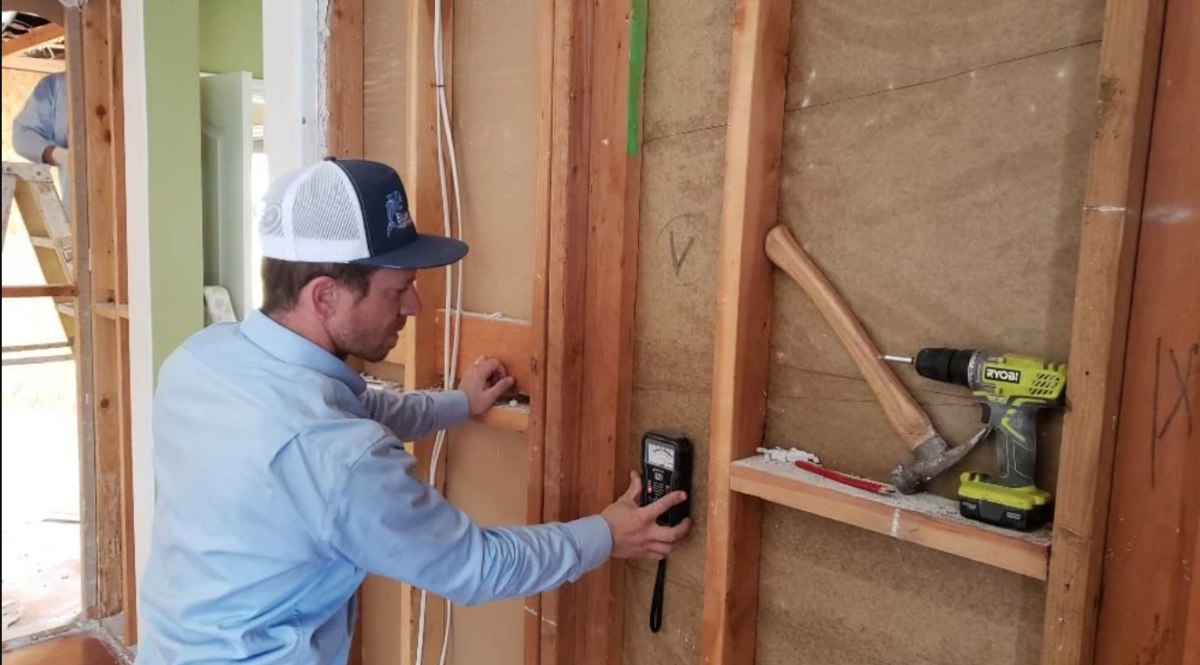
We remove damaged carpet padding when necessary and use industrial air movers and dehumidifiers to accelerate drying. Moisture meters and thermal imaging help detect hidden damp areas.
Drying may take several days depending on the severity of the damage and California’s environmental conditions.
Drying Time & Damage Risk Guide
| Situation | Drying Expectation | Risk Level | Recommended Action | DIY or Pro |
| Surface moisture only | 6–12 hours | Low | Increase airflow and monitor | DIY |
| Carpet damp but padding dry | 12–24 hours | Medium | Use fans + dehumidifier | DIY + Monitor |
| Carpet and padding wet | 24–48 hours | High | Professional drying required | Pro |
| Moisture under subfloor | 2–4 days | Very High | Moisture detection + drying | Pro |
| Lingering dampness or odor | Several days | Severe | Full restoration service | Pro |
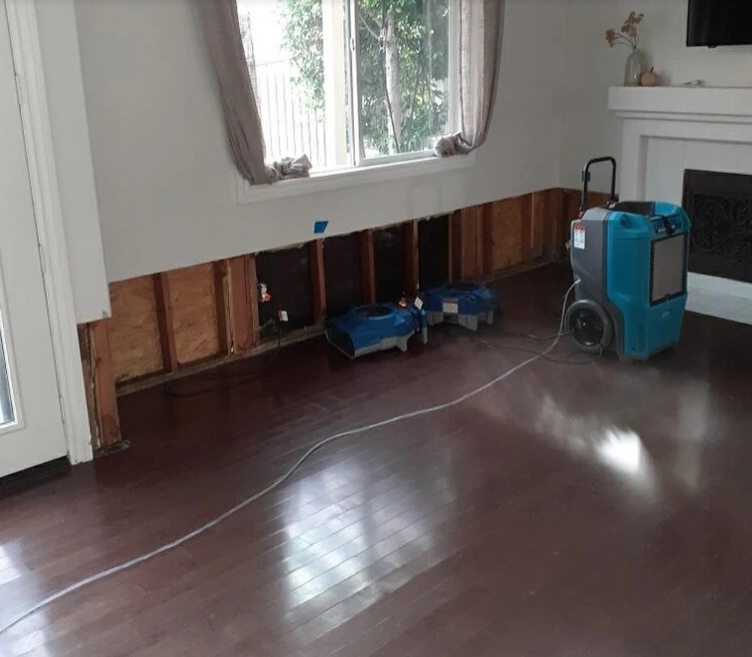
Once the affected area is fully dry, repairs begin. This includes evaluating flooring, subfloors, drywall, and structural components for damage.
Repairs may involve replacing materials, sealing surfaces, and applying antimicrobial treatments to eliminate bacteria and odors.
This step ensures your home is restored to a safe and comfortable condition.
Decision Guide: What Should You Do?
Situation |
Best Solution |
Cost Range |
Time |
DIY or Pro |
Small spill or minor leak |
Dry with fans + monitor |
Low |
Same day |
DIY |
Wet carpet with padding soaked |
Professional extraction |
Medium |
1–2 days |
Pro |
Hidden moisture or odor |
Moisture detection + drying |
Medium |
2–3 days |
Pro |
Mold or contamination |
Full restoration service |
High |
Several days |
Pro |
Structural damage |
Repair + restoration |
Very High |
Weeks |
Pro |
Clear Guidance: If the carpet padding is wet or you notice odors, DIY is no longer enough, professional drying is required.
What Happens If You Ignore Wet Carpet?
Ignoring wet carpet can lead to serious consequences that extend far beyond surface damage.
Mold growth can begin within 24–48 hours Odors become permanent and difficult to remove Subfloor and structural materials weaken Indoor air quality declines, affecting health Repair costs increase significantly over time
Reality: What starts as a small wet spot can turn into full mold remediation and structural repair costing thousands.
When to Call Professionals for Water Damage
Some situations require immediate professional intervention. Delaying action can lead to more extensive damage and higher repair costs.
Identifying Serious Damage
Water sitting for more than 24 hours Large areas of soaked carpet Sewage or contaminated water exposure Recurring leaks or hidden moisture Cracks or structural damage
These signs indicate deeper issues that require specialized tools and expertise.